The Science of Hydration: Optimizing Water Intake During Workouts
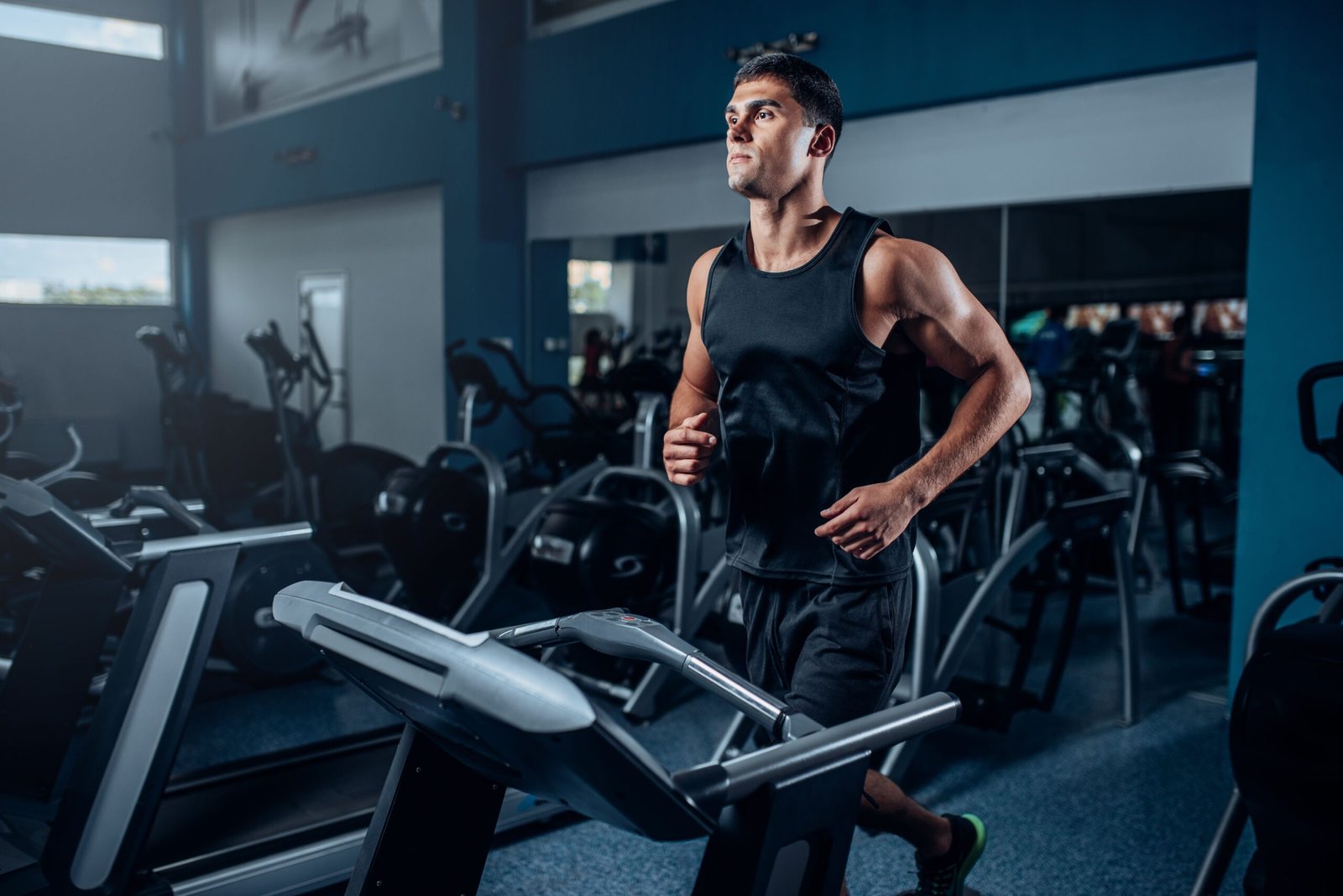
Even mild dehydration, as little as 2 percent of body weight lost through sweat, can measurably reduce strength, endurance, and cognitive focus during training. Hydration is one of the simplest performance levers available, yet it’s frequently overlooked in favor of more complex nutrition strategies. This guide covers how much fluid to drink, when, and how electrolytes fit into the picture.
How Dehydration Impacts Performance
As body water decreases during exercise, blood volume drops, forcing the heart to work harder to deliver oxygen to muscles. This added cardiovascular strain shows up as elevated heart rate at the same workload, reduced power output, and impaired concentration and coordination. Even mild dehydration triggers these effects, making it a performance factor that should be addressed proactively rather than reactively.
General Hydration Guidelines Around Training
| Timing | Recommendation |
|---|---|
| 2-3 hours before | 500-600 ml (about 17-20 oz) of water |
| During (every 15-20 min) | 150-250 ml (about 5-8 oz), more in heat |
| After training | Replace 1.25-1.5 liters per kilogram of body weight lost |
Electrolytes — When Water Alone Isn’t Enough
Sessions lasting beyond 60-90 minutes, or those performed in hot and humid conditions, involve significant sodium and electrolyte loss through sweat. In these cases, an electrolyte drink or sodium-containing snack helps maintain fluid balance more effectively than water alone. Signs you need electrolytes, not just water: muscle cramping, excessive sweating with a visible salt residue on skin or clothing, and persistent fatigue despite adequate water intake are common signs.
How to Check Your Hydration Status
- Monitor urine color — pale yellow generally indicates good hydration
- Weigh yourself before and after long training sessions to estimate fluid loss
- Pay attention to thirst, but don’t rely on it alone during intense exercise, since thirst often lags behind actual fluid needs
Common Hydration Mistakes
Overhydrating rapidly without adequate sodium intake can, in rare but serious cases, lead to a dangerous drop in blood sodium levels known as hyponatremia — a reminder that hydration strategy should scale with session length and conditions rather than defaulting to “drink as much as possible.” Individual sweat rates vary significantly, making personalized hydration strategies more effective than generic recommendations.
Conclusion
Hydration is a performance variable, not an afterthought. Matching fluid and electrolyte intake to session length and environmental conditions helps maintain strength, endurance, and focus throughout training, while avoiding the pitfalls of both under- and over-hydration. The key is individualization — understanding your own sweat rate and adjusting your hydration strategy accordingly.